Important: This form is not submitted automatically. After completing the form online, save or download the completed PDF. Email it to peteysplayground@gmail.com, mail it, or print it and bring it to Petey’s Playground at 22448 AZ-89, Yarnell, AZ 85362. Thank you for choosing to adopt.
Cat Adoption
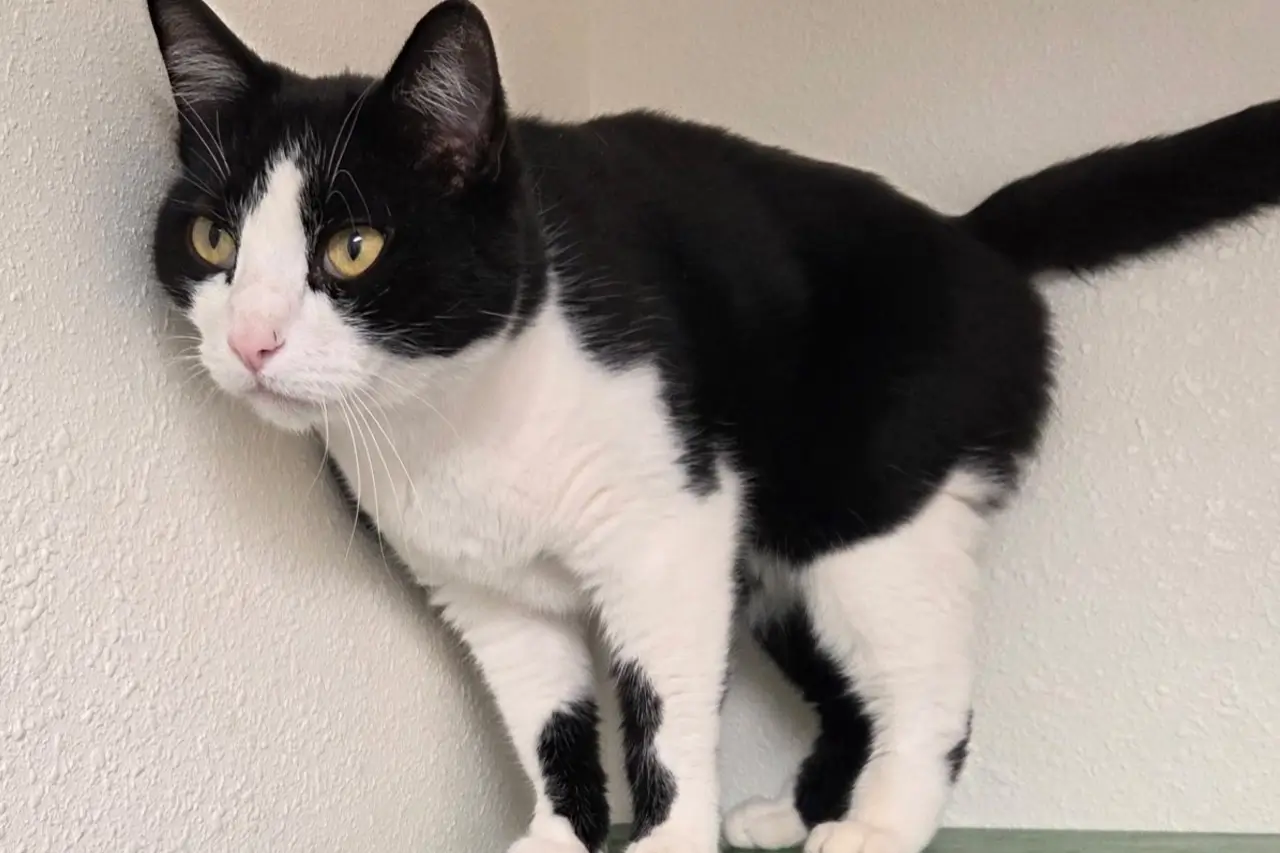
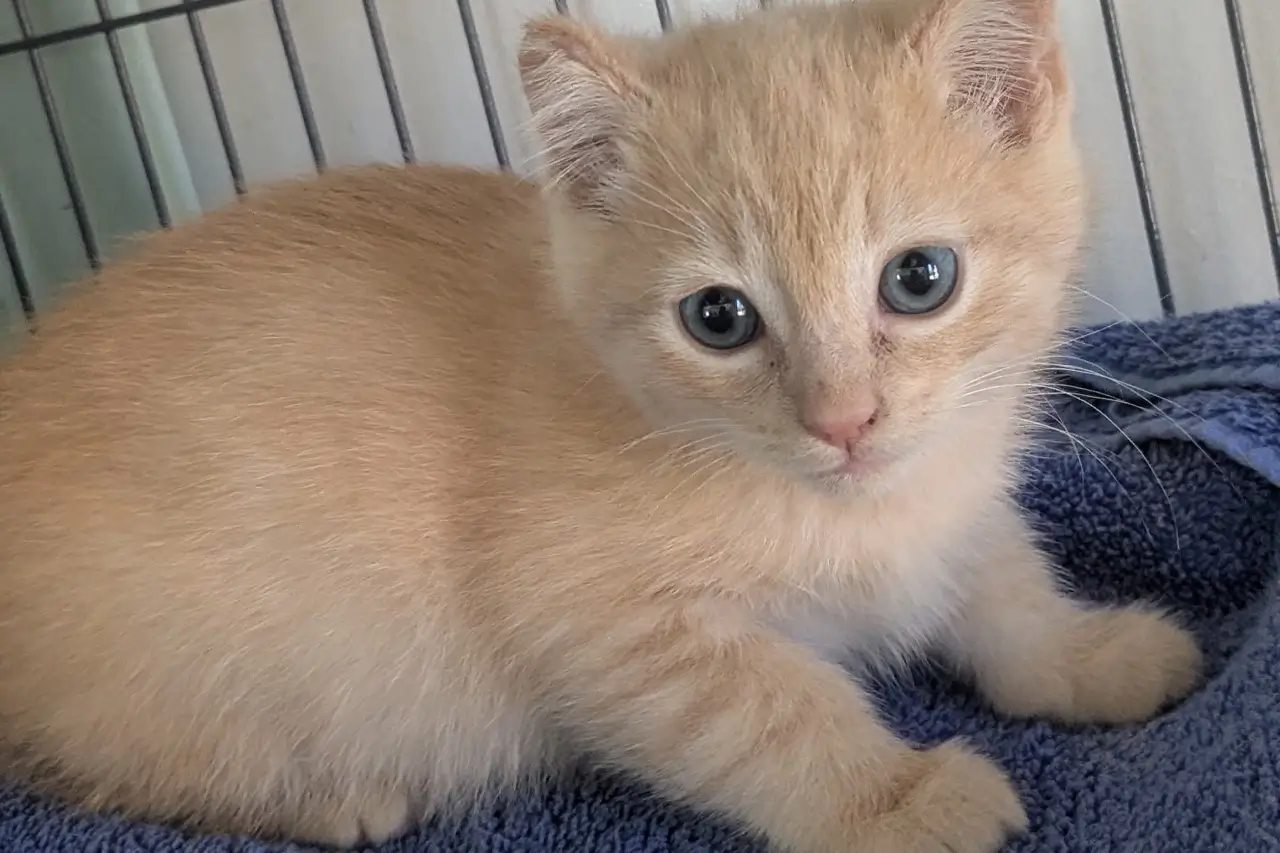
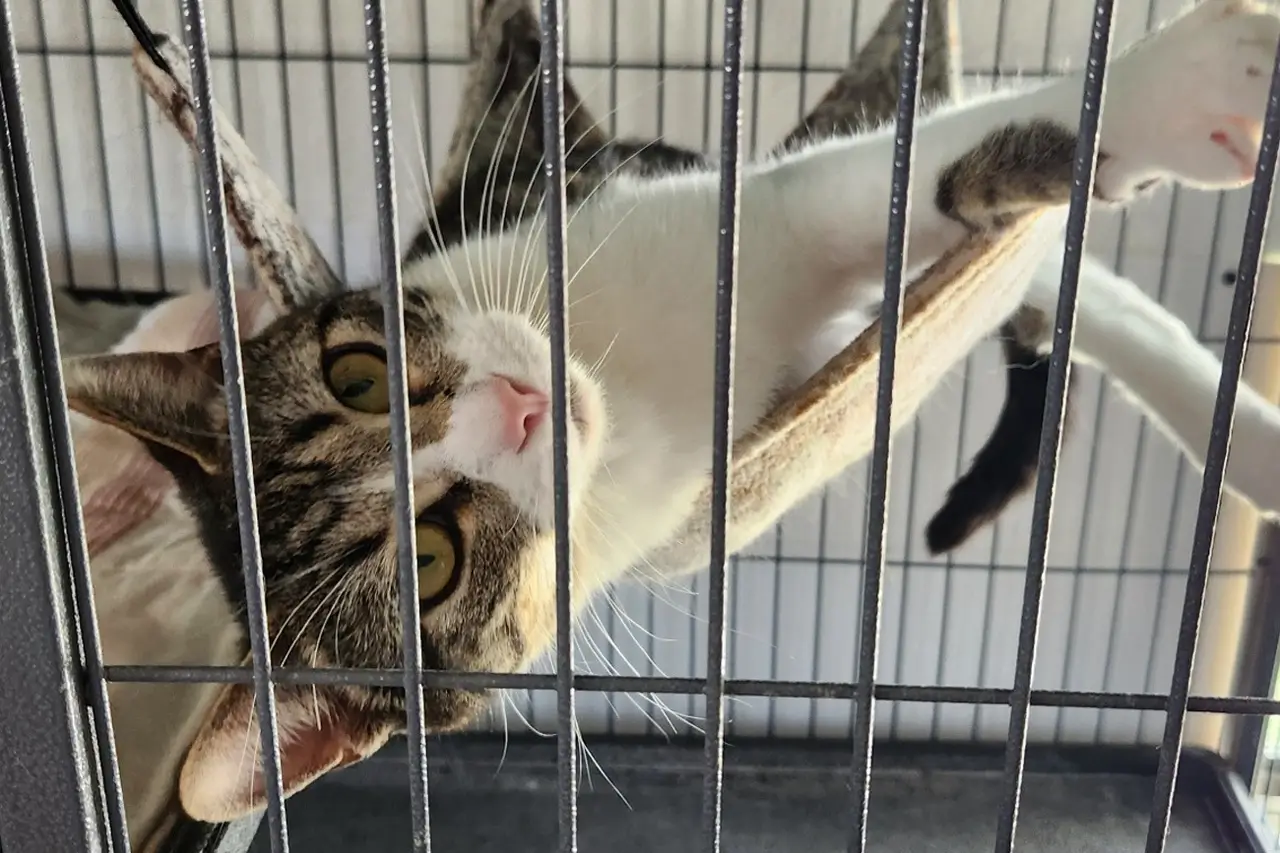
Petey’s Playground is proudly cat-forward, helping kittens, adult cats, and companion cats find safe, loving homes. We believe the best adoptions happen when the right cat meets the right person, home, and lifestyle.
Thoughtful Matches for Lifelong Companionship
Whether you are looking for a playful kitten, a calm lap cat, or a special companion to share your home, Petey’s Playground works to make thoughtful matches that last. We take the time to understand each cat’s personality, needs, and preferences so adopters can feel confident welcoming a new best friend into their lives.
What to Expect
Our adoption process is designed to support both the animal and the adopter. Petey’s Playground does not place animals on a first come, first served basis. Instead, we focus on finding the home best suited to each cat’s unique needs and temperament.
"A cat has absolute emotional honesty: human beings, for one reason or another, may hide their feelings, but a cat does not."
Ernest Hemingway – Cat Lover
Tips and Tricks
Bringing home a new cat takes a little patience, but a calm start can make all the difference. Cats need time to adjust to new people, new smells, and a new routine. Give your new companion a quiet space, keep things simple the first few days, and let trust build naturally.
Every cat is different. Some settle in quickly, while others need more time to feel safe. Stick to a steady routine, offer gentle attention, and remember that small steps matter. A little consistency, kindness, and understanding can help your new cat feel right at home.
Give your cat a quiet room or safe space for the first few days.
Keep food, water, and a litter box easy to find from day one.
Let your cat come to you instead of forcing interaction.
Use a scratching post and a few toys to encourage healthy activity.
Keep veterinary care, vaccinations, and parasite prevention up to date.
Be patient - trust and bonding often take time.
It Doesn't Happen Overnight
The 3/3/3 Rule
3 Days
To Decompress
• Feeling distressed
• Scared or unsure of the new
territory
• Uneasy about being “themself”
• May not feel safe to eat or drink
• Shuts down and/or hides
• Tests the boundaries (escape)
3 Weeks
To Learn You Routine
• Starts settling in
• Feels more at ease
• Realizes this could be their home
• Figures out their environment
• Begins to trust the new routine
• Begins to show true personality
• Behavior issues may appear
3 Months
To Start To Feel At Home
• Finally feels completely
comfortable
• Begins to build trust and a
true bond
• Gains a complete sense of
security with new family
• Gains a complete sense of
security with new home
• Settles into the routine... life is good.
Important: This form is not submitted automatically. After completing the form online, save or download the completed PDF. Email it to peteysplayground@gmail.com, mail it, or print it and bring it to Petey’s Playground at 22448 AZ-89, Yarnell, AZ 85362. Thank you for choosing to adopt.